
Articles & Market Insights
Product Science
September 11, 2023 · 5 min read
Carpet Deodorizing & Textile Fiber Chemistry: How Fine Sodium Bicarbonate Lifts Odors Safely
Beroil Trade Desk
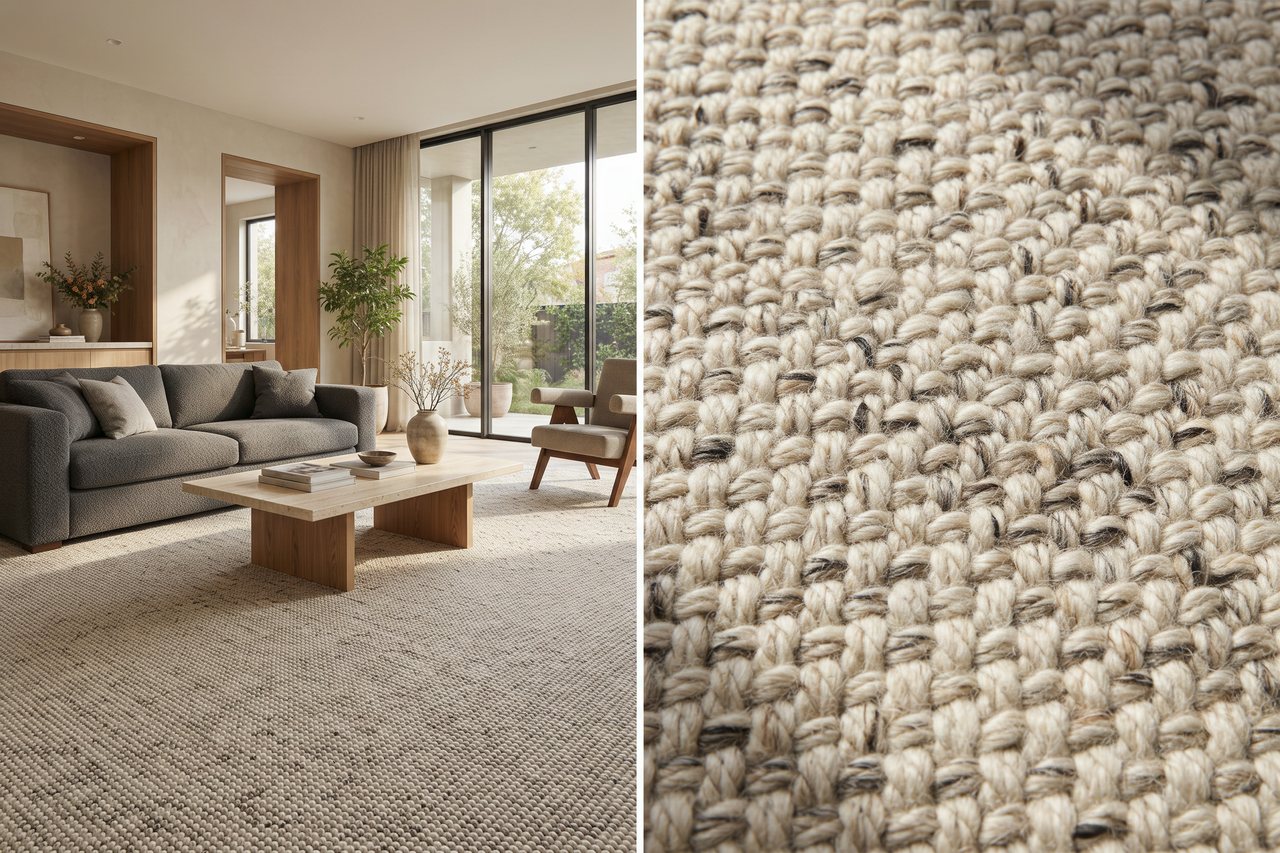
Hotels, commercial facility managers, and carpet-care formulators use dry sodium bicarbonate as a fragrance-free textile deodorizer because mild alkalinity chemically binds sour acidic odor molecules without bleaching dyes or leaving sticky detergent residues that trap fresh soil.
Adsorption and Acid-Base Binding Inside Carpet Pile
Persistent carpet odors—from moisture mildew, kitchen food oils, and pet organic fatty acids—cling stubbornly to nylon, polypropylene, and wool tufts. Standard aerosol sprays mask vapors temporarily while adding oily silicone droplets that accelerate dirt buildup.
When fine dry NaHCO3 crystals sit on dry carpet fibers for 20 to 60 minutes (or overnight on deep pile), volatile acidic molecules diffuse onto exposed crystal faces and neutralize cleanly into odorless, non-volatile sodium salts. Subsequent vacuuming removes both crystal fines and bound odor compounds cleanly in one pass.
Fiber Dye Safety and Vacuum Equipment Precautions
Because aqueous pH remains gently buffered near 8.3—unlike harsh caustic alkalis or optical bleaches—sodium bicarbonate preserves delicate natural wool dyes and synthetic stain-resistant nylon treatments, provided the powder is strictly applied and brushed onto dry surfaces (avoid scrubbing wet pastes into fragile rugs, which dries into stiff white mineral rings).
Commercial housekeeping crews using bagless upright vacuums should vacuum slowly in overlapping passes and tap/clean fine HEPA cartridge filters promptly afterwards, since ultra-fine < 75-micron powder loads pleated dust filters faster than coarse lint. For liquid alkaline stain lifters, compare soft carpet buffering against stronger detergent builders like Light Soda Ash and review our Cleaning Chemistry Overview.
3 Professional Rules for Carpet & Upholstery Deodorizing
01.
Apply Only to Thoroughly Dry Fibers
Dry crystals remain free-flowing during brushing and vacuum cleanly out of deep backing without leaving damp mineral crusts.
02.
Allow 30–60 Minutes Contact Before Extraction
Adequate dwell time permits gas-phase diffusion of acidic VOCs onto solid crystal surfaces prior to vacuum pickup.
03.
Use Medium-Screened Dust-Controlled Crystals for Facility Packaging
Commercial carpet-powder bottlers favor screened 80–200 mesh NaHCO3 that pours smoothly without clogging shaker caps or vacuum HEPA pleats.
Cleaning & Wholesale Formulation Links
Evaluate bulk raw-material grades for household & institutional cleaners:
- 25 kg Clean Technical & Food Grades: Dust-controlled mesh options packed for private-label shaker bottlers.
- Surface Cleaning Benefits Guide: Compare pH-safe Mohs 2.5 abrasion across metals, tile, and textiles.
- Heavy-Duty Alkaline Builders (Soda Ash): High-pH Light Soda Ash (11.4 pH) for commercial carpet extraction presprays.
- Inquire on Bulk Pallet Containers: Request FOB/CFR offers for 25 MT+ dry export bags.
Related Specifications & Further Reading
Category
Latest Posts
Industrial Supply
November 22, 2026
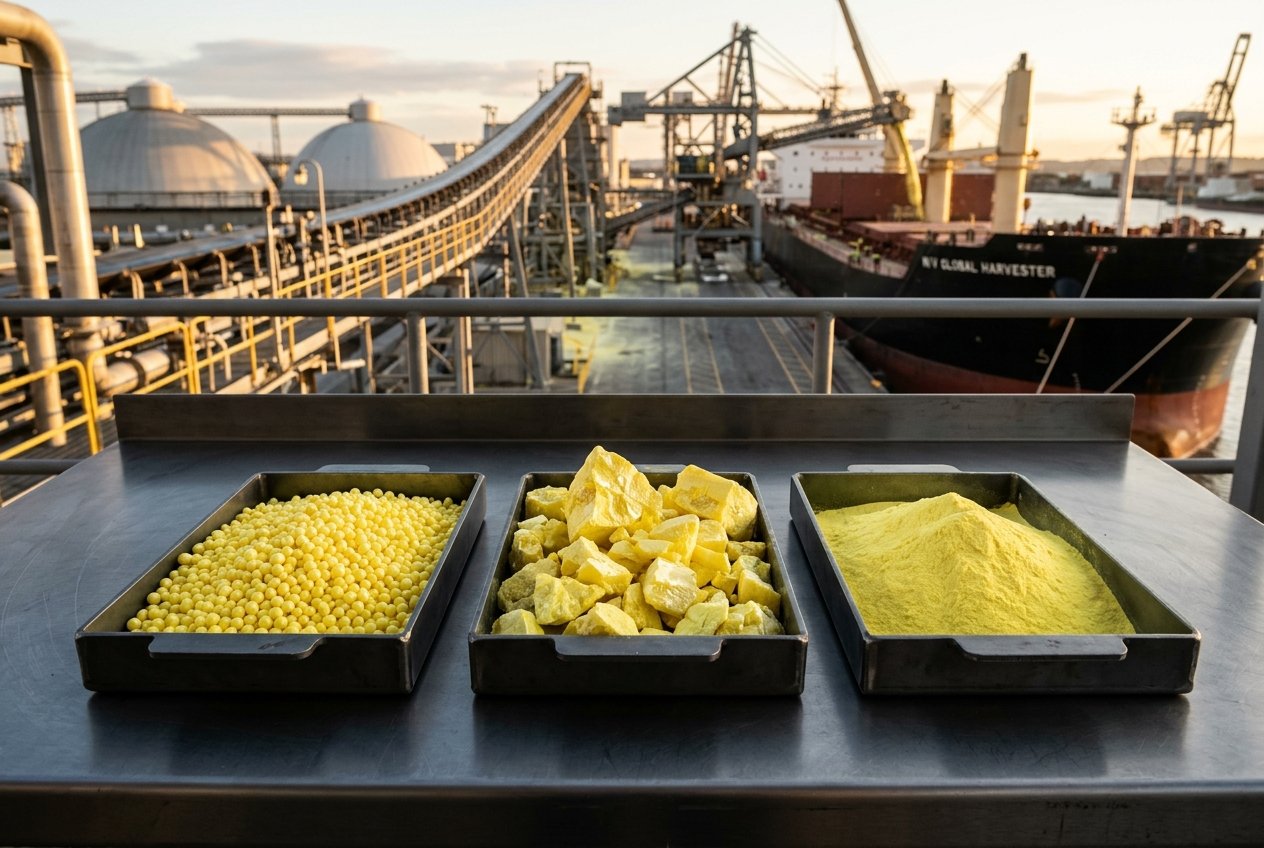
Granular vs. Lump vs. Powder Sulfur: Industrial Uses, Technical Specs & Commercial Export Guide
Product Science
November 22, 2026
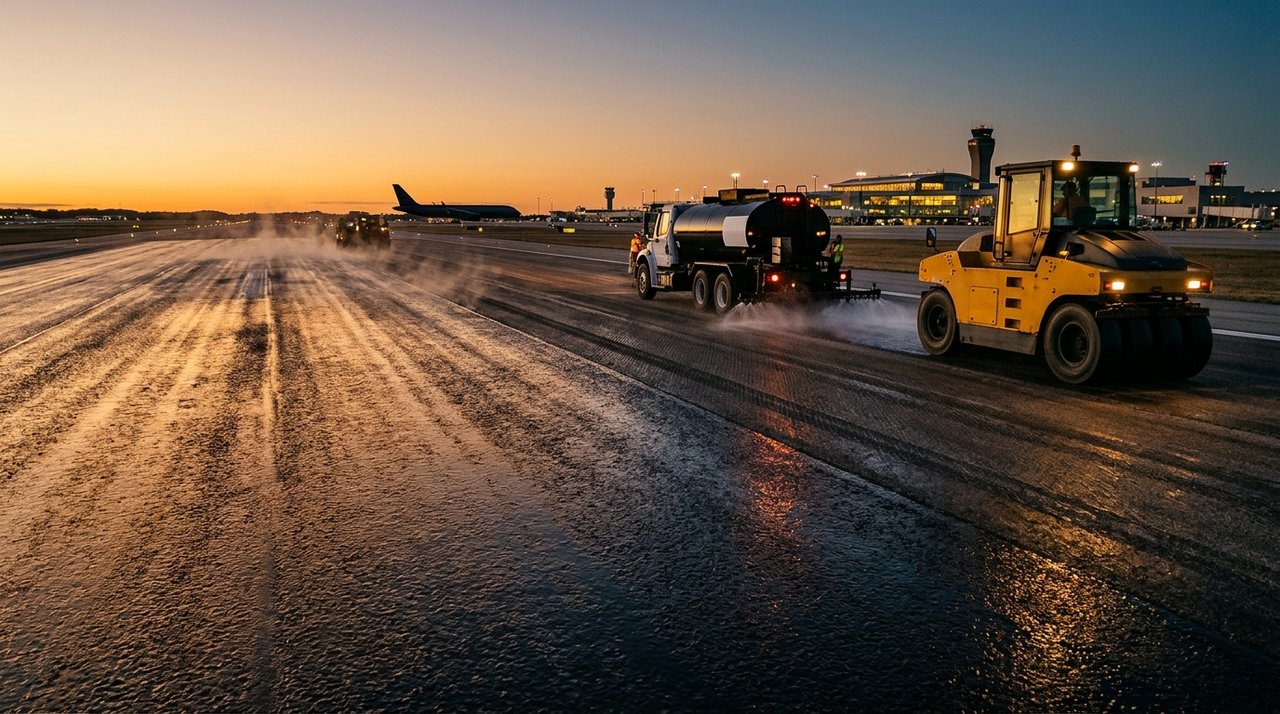
Polymer Modified Bitumen (PMB) & Bitumen Emulsions (CRS-2, CSS-1): Heavy-Axle & Cold Paving Engineering
Global Markets
November 22, 2026
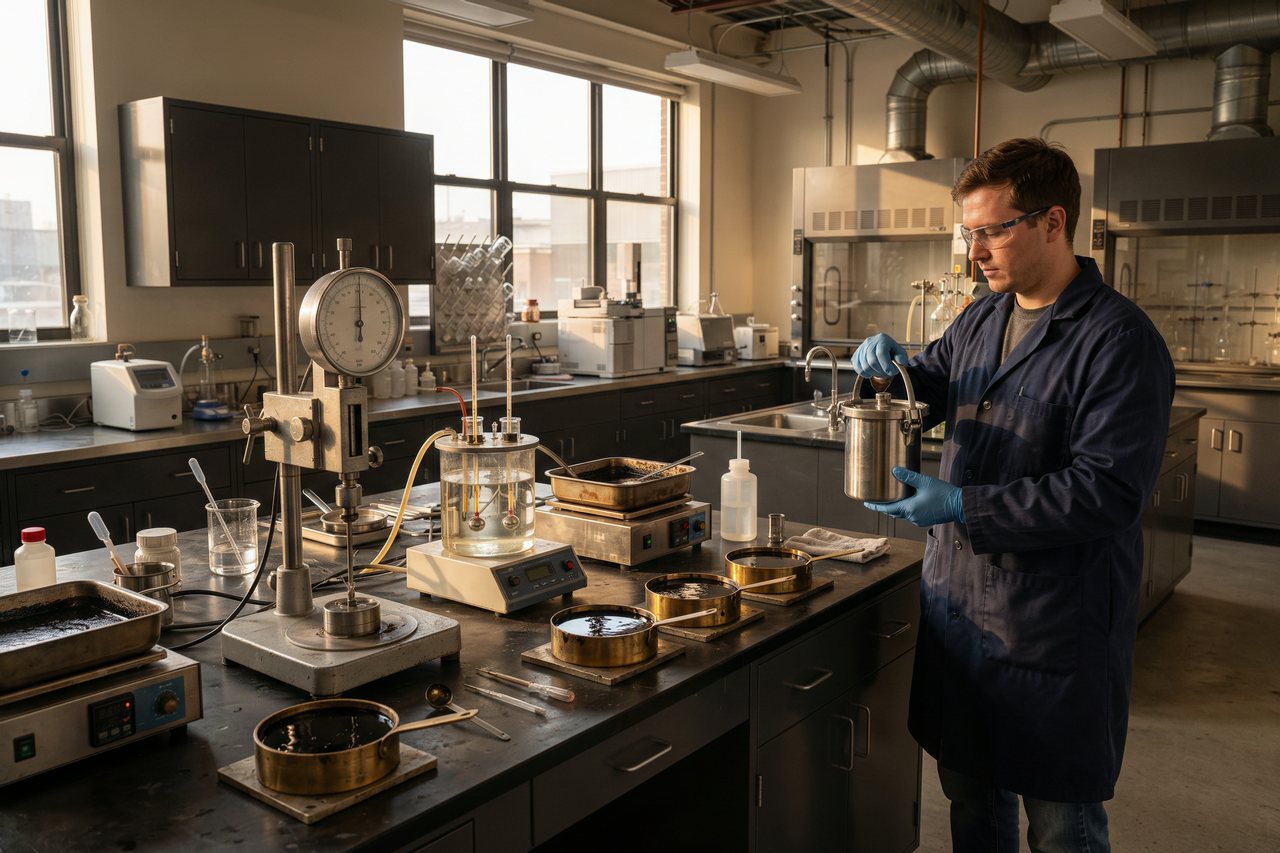
How to Audit a Bitumen COA & SGS Report: ASTM D5, D36, Spot Test & B2B Export Procurement Checklist
Recent Posts
Practical chemical specifications, bulk packaging protocols, and commodity supply insights from Beroil Energy Group.
Industrial Supply
November 22, 2026
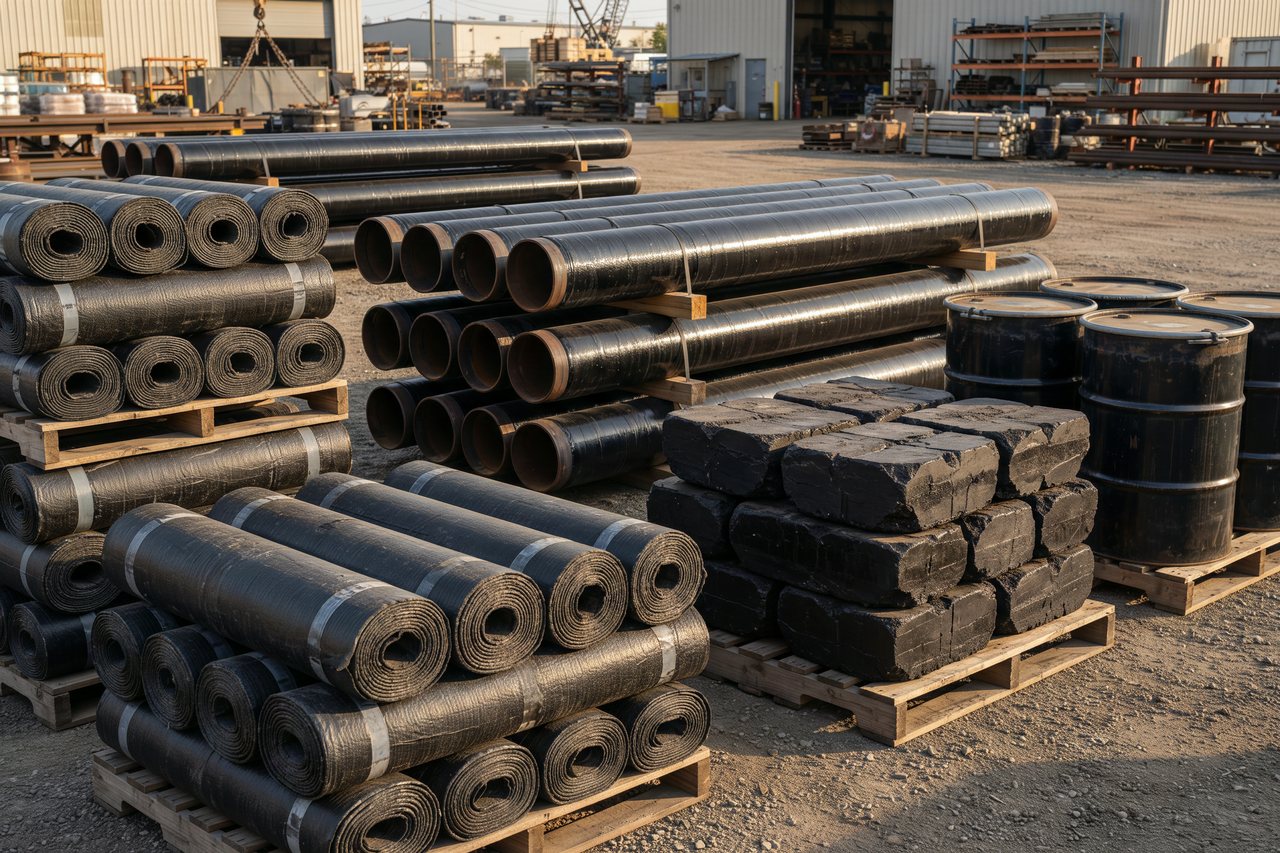
Oxidized Bitumen 115/15 and 90/15: Softening Point Engineering for Waterproofing, Roofing & Pipe Coating
Technical Research
November 22, 2026
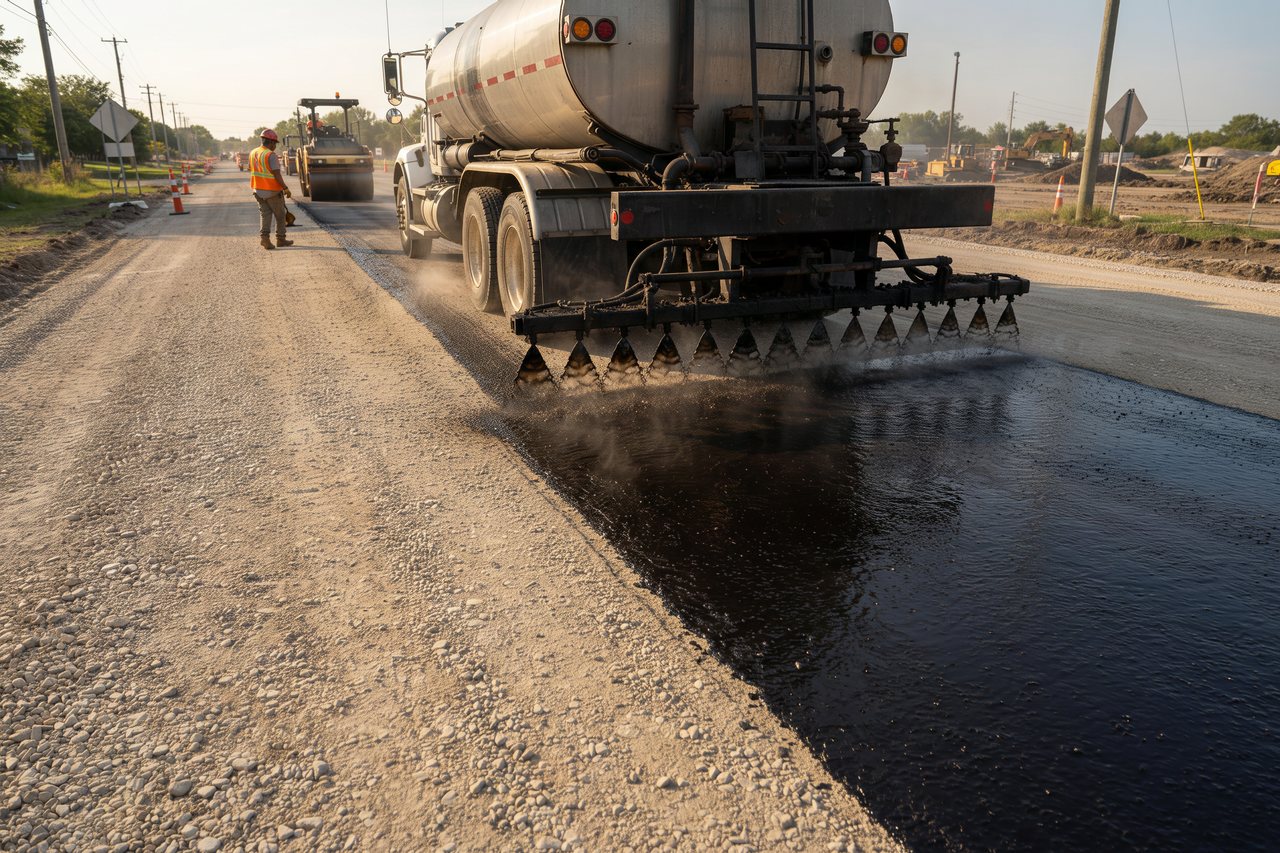
Cutback Bitumen MC-30 vs. MC-70: Prime Coat Selection, Curing Rates, and Sub-Base Penetration

Technical Research
November 22, 2026